What Happened to Pierre Poilievre? The Reports Behind Canada’s Conservative Leader’s Tumultuous Year
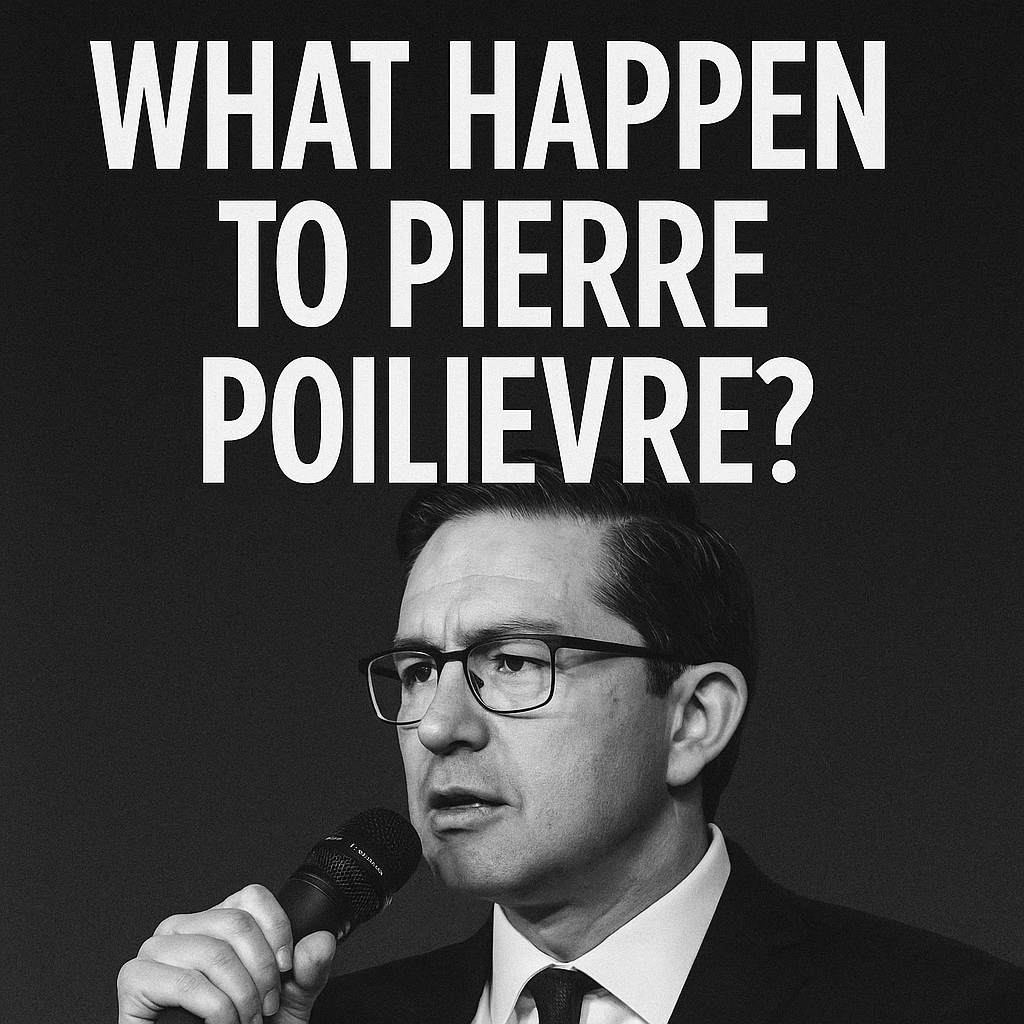
🗞️ 1. A Political Earthquake: Losing His Seat
The 2025 federal election was a turning point for Canada’s Conservative Party.
Pierre Poilievre — the outspoken leader who built his platform on “axe the tax” and anti-inflation messaging — lost his seat in Ottawa-Carleton, shocking supporters and political analysts alike.
According to AP News, the loss came amid a Liberal resurgence led by Mark Carney, who capitalized on centrist voters tired of polarization.
For Poilievre, who had campaigned aggressively across social media and conservative networks, it wasn’t just a political defeat — it was an existential one. Without a seat in Parliament, his leadership legitimacy was suddenly in question.
🗳️ 2. The Comeback: Battle River–Crowfoot By-Election
Poilievre’s political instincts kicked in fast. Within weeks, Alberta MP Damien Kurek resigned to make way for a by-election in Battle River–Crowfoot, one of Canada’s safest Conservative ridings.
On August 18, 2025, Poilievre roared back — winning the by-election with over 80% of the vote, according to Elections Canada reports.
His return to Parliament restored his official status as Leader of the Opposition, but it also raised eyebrows. Critics accused the move of being “engineered optics” rather than genuine grassroots democracy. Supporters, however, saw it as strategic brilliance — a way to keep the party stable while plotting a longer-term rebound.
⚖️ 3. Disinformation Allegations & Fact-Checking Storm
Poilievre’s communication style — direct, viral, and often confrontational — continued to divide the public.
Several reports and social media analyses accused him of spreading misleading or oversimplified claims about inflation, government spending, and carbon tax effects.
Fact-checking organizations highlighted inconsistencies in some of his economic arguments. Still, his online audience — particularly on X (formerly Twitter) and YouTube — remained loyal, praising him as “the only politician who speaks plainly.”
This tug-of-war between credibility and charisma is central to Poilievre’s image. He’s both a critic of elite narratives and a master of digital rhetoric — a balancing act that defines the modern populist politician.
🧩 4. Party Pressure & Strategic Crossroads
Behind closed doors, reports suggest internal friction within the Conservative Party following the election.
According to Politico, provincial conservatives, including Ontario Premier Doug Ford, questioned whether Poilievre’s aggressive tone alienated moderate voters.
Despite this, the party remains deeply dependent on his leadership brand. He brings unmatched energy, fundraising power, and online influence — all vital assets in the post-broadcast era of politics.
Still, some insiders hint at the need for recalibration: less fire, more finesse. Whether Poilievre can evolve without diluting his identity may decide his long-term survival as leader.
🧠 5. The Populist Paradox
Poilievre’s message — empowering “ordinary Canadians” against big government — resonates strongly in an age of economic frustration.
However, his critics argue that constant outrage politics risks exhausting voters who crave solutions over slogans.
As one analyst put it:
“Poilievre’s genius is making people feel heard. His danger is making them too angry to listen.”
The populist paradox remains: how to channel discontent into constructive policy, not division.
🔮 6. What Comes Next
The coming months will test whether Pierre Poilievre can convert momentum into credibility.
With inflation pressures still biting and debates over freedom, housing, and taxation intensifying, the Conservative leader’s voice remains a dominant force in Canadian discourse.
His ability to rebuild trust — within Parliament and beyond — will determine if 2025 marks the peak of his influence or the beginning of his reinvention.
Summary
- Lost his seat in the 2025 election but returned via Alberta by-election.
- Faced allegations of misinformation and fact-checking controversies.
- Remains popular online, especially among younger and working-class voters.
- Under pressure from within his own party to adapt messaging strategy.
- Future uncertain, but his political resilience remains undeniable.