What Happened: The RBC–Carney Incident
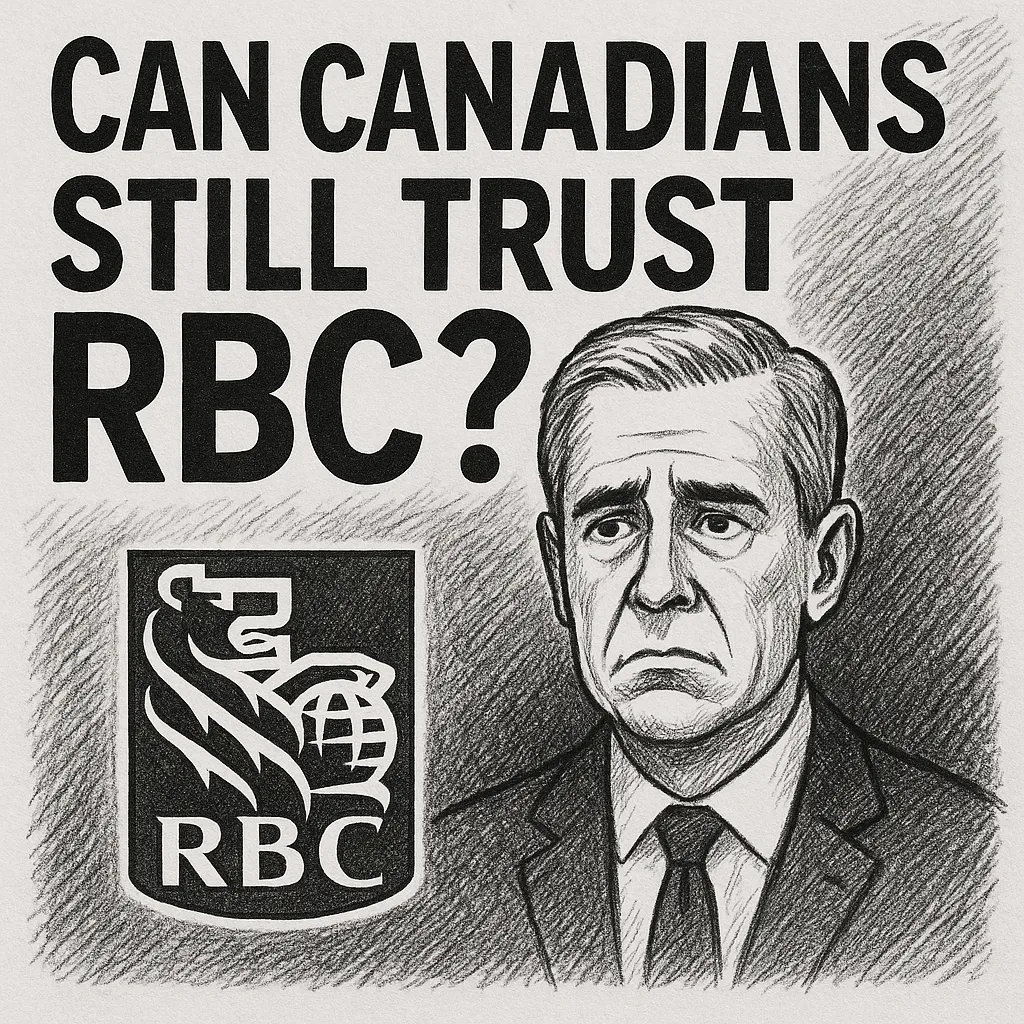
In September 2025, a former RBC employee (Ibrahim El-Hakim, age 23) was charged with fraud, unauthorized computer use, identity theft, and trafficking in identity information after allegedly accessing sensitive banking profiles, including that of Prime Minister Mark Carney. (Reuters)
According to the RCMP, the internal access did not require malware or stolen passwords; instead, the employee used RBC’s internal IT systems to retrieve the data. (Yahoo News) RBC confirmed the individual was terminated and cooperated with authorities. (Reuters)
This incident has raised serious questions about internal security controls at RBC and whether customers’ private data is safe when even high-profile accounts could be breached by insiders.
🔍 What This Reveals About RBC’s Security & Risk Posture
1. Insider Threat Vulnerabilities
- The fact that a junior employee could access sensitive data suggests either weak segregation of duties or insufficient access controls.
- It shows that internal threats (insiders) might pose as much risk as external hacks, and banks must vigilantly guard against both.
2. Data Access & Monitoring Gaps
- RBC must answer how it monitors internal user access to systems — who can see what, how often access is audited, and whether alerts are triggered on anomalous behavior.
- The incident implies that these safeguards may not have been sufficient to deter or detect misuse quickly.
3. Reputation & Trust Erosion
- Banking is built on trust. When high-level breaches involving political figures make headlines, general customers may feel their own data is at risk.
- RBC’s brand and customer loyalty could suffer if customers believe their accounts are less safe.
4. Regulatory & Legal Exposure
- The case could draw regulatory investigations (federal privacy, financial regulators) and require RBC to face fines or stronger oversight.
- Customers may also demand compensation or class action lawsuits if data misuse is shown.
5. Response & Transparency Are Crucial
- RBC’s handling (speed of disclosure, cooperation with law enforcement, public communication) will affect whether the public sees this as an isolated lapse or systemic issue.
- More transparency about the root cause, steps taken, and future protections is needed.
✅ Can Canadians Still Trust RBC?
Trust isn’t binary — it’s something RBC will now need to rebuild. Here’s how to evaluate:
Areas That Still Favor RBC
- Size, resources, and track record: As Canada’s largest bank by market cap, RBC has abundant resources to shore up security, engage experts, and absorb reputational damage. (Wikipedia)
- Regulatory oversight: Canadian banking is heavily regulated; failures invite consequences, which may pressure RBC to improve swiftly.
- Internal awareness: This scandal may force RBC (and other banks) to tighten internal controls, benefiting customers in the long run.
Concerns That Need Addressing
- Internal access policy: Without strong role-based access, privileged accounts, and “least privilege” controls, similar breaches might happen again.
- Audit & monitoring transparency: RBC needs to show that it has robust audit trails, real-time monitoring, and incident response.
- Customer recourse & communication: Clear paths for customers to dispute misuse, obtain compensations, and monitor their accounts are essential.
- Cultural shift: Banks must treat internal security equally to external threats — employees must see privacy as core, not an afterthought.
🧭 What Canadians Should Do Going Forward
- Monitor your accounts aggressively — look for strange transactions, login alerts, or credit changes.
- Use multi-factor authentication (MFA) — wherever possible, even if it’s not forced.
- Limit data shared — avoid giving unnecessary permissions or linking accounts when not required.
- Seek transparency from RBC — demand clarity: What was the breach vector? How is it being fixed?
- Consider alternatives — if trust is lost, evaluate diversifying your banking relationships.
🔮 Outlook & Final Thoughts
The RBC–Carney data breach is a loud alarm. It doesn’t necessarily mean RBC is irredeemable — but it does expose weaknesses in internal oversight that must be corrected.
If RBC responds with urgency, transparency, and structural security upgrades, Canadians may continue to trust in it. If it responds poorly, customer faith may erode—and that’s harder to recover.