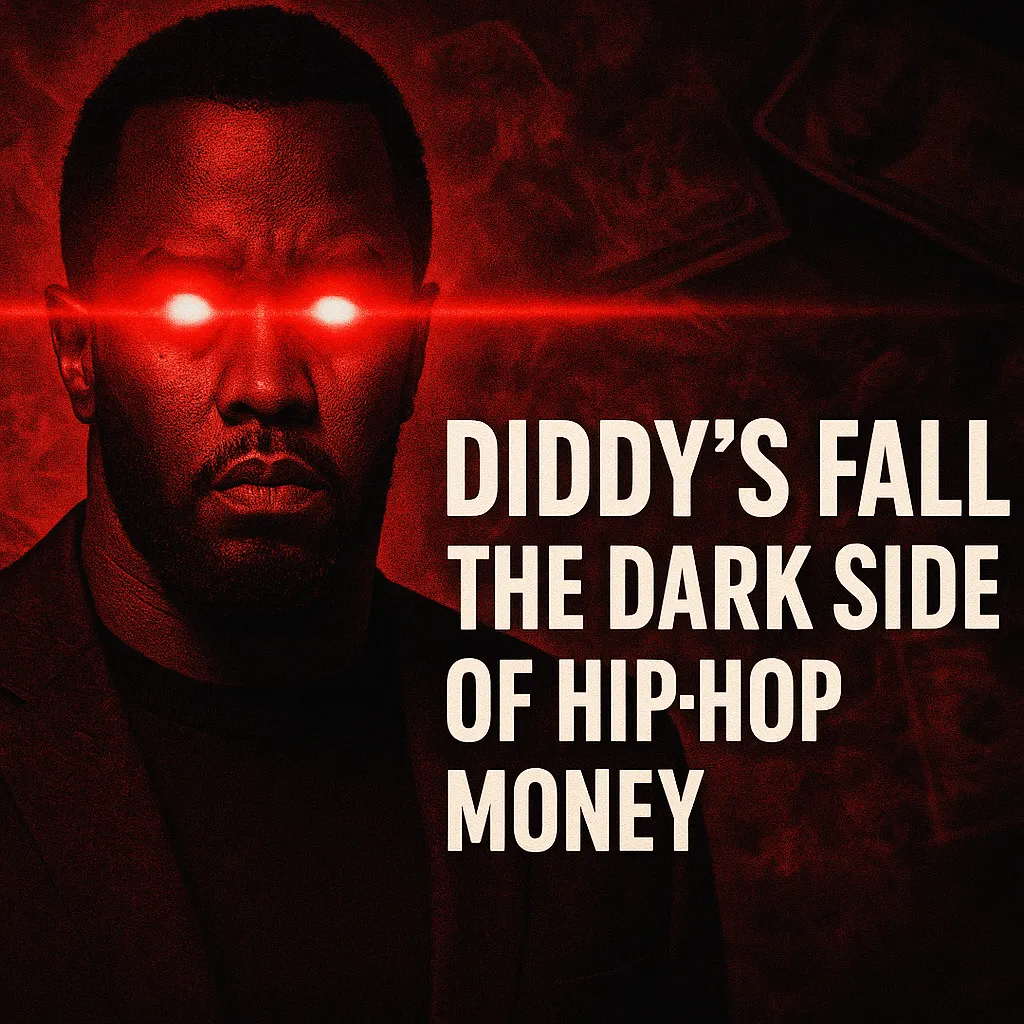
P. Diddy’s Downfall: How the Mogul’s Legal Crisis Exposed the Dark Side of Fame
1. The Rise & Myth of P. Diddy
Sean “Diddy” Combs built an empire from music, fashion, media, and branding. From his early days with Bad Boy Records to global ventures (Cîroc, REVOLT, etc.), he became more than an artist—he was a mogul, a cultural icon, and a symbol of success in hip-hop.
But for years, whispers of misconduct circulated. Allegations of sexual abuse, coercion, and exploitative relationships followed him. In recent years, lawsuits and investigative reporting began exposing the cracks behind the throne. (The Washington Post)
2. The Indictment & Charges
In September 2024, federal authorities charged Combs with multiple counts, including:
- Racketeering conspiracy
- Sex trafficking by force, fraud, or coercion
- Transportation for purposes of prostitution
- Related charges involving coercion, abuse, and forced acts (Department of Justice)
The indictment alleged that Combs used his power, wealth, and influence to facilitate and orchestrate misconduct over years. (Department of Justice)
3. The Trial & Verdict
The trial began in May 2025 in New York’s Southern District, presided over by Judge Arun Subramanian. (Wikipedia)
After deliberation, the jury returned mixed verdicts on July 2, 2025:
- Acquitted on racketeering conspiracy and sex trafficking charges
- Convicted on two counts of transportation for prostitution under the Mann Act
(Wikipedia)
Combs’ defense argued that relationships were consensual, that many allegations involved parties with motives, and that he had reformed. (Wikipedia)
4. The Sentencing & Fallout
On October 3, 2025, Judge Subramanian sentenced Diddy to 50 months (4 years, 2 months) in federal prison, plus 5 years of supervised release and a $500,000 fine. (AP News)
He had already served approximately one year in detention. Some had pushed for a much heavier penalty—prosecutors had sought over 11 years. (People.com)
Diddy tried to appeal for a new trial, but Judge Subramanian denied those motions shortly before sentencing. (Fox News)
5. Civil Suits & Reputation Damage
Beyond the criminal trial, Diddy faces multiple civil lawsuits alleging misconduct, abuse, and sexual assault. (The Washington Post)
A notable figure in his past, Cassie Ventura, testified about alleged abuse and coercion over years. (The Washington Post)
The combination of criminal conviction and civil exposure has significantly tarnished his public image, threatened business deals, and cast doubts on his empire’s future. Forbes recently questioned whether his brand can survive “cancel culture plus legal liability.” (Forbes)
6. Why This Matters: The Industry Mirror
Diddy’s downfall exposes recurring problems in celebrity, power, and the entertainment industry:
- Power imbalance & accountability: Wealth and influence can shield people from scrutiny—but not indefinitely.
- Culture of silence: Victims often go unheard until evidence or trial forces disclosure.
- Brand fragility: Even icons with decades of success can be unraveled by scandal and legal consequences.
- Legacy risk: Future generations and legacy brands built on persona are vulnerable when the person behind them falls.
7. What’s Next for Diddy & His Legacy
- Appeals: His legal team is expected to appeal the sentence, challenging judicial rulings and evidence application.
- Asset & brand survival: Music catalogs, fashion lines, investments—can they weather reputational damage?
- Public redemption & silence: He may attempt to minimize exposure, issue apologies, or rebuild quietly behind the scenes.
- Long-term perception shift: In hip-hop and culture, Diddy’s story will become cautionary and studied, not just sensational.
✅ Final Thought
Sean “Diddy” Combs’ saga is no tabloid drama—it’s a high-stakes lesson about power, accountability, and the price of excess. His empire may be shaken, his legacy challenged, and his brand fractured. But what makes this moment powerful is its broader relevance: when icons fall, they force an industry-wide reckoning.